GENETIC ENGINEERING
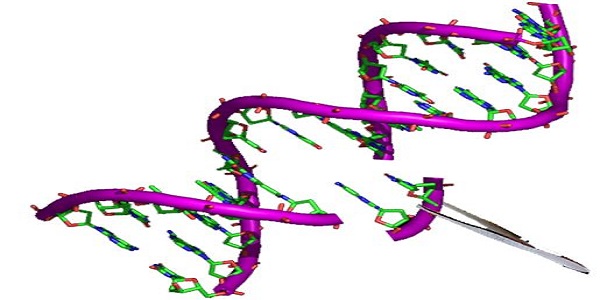
Genetic engineering is a process that alters the genetic structure of an organism by either removing or introducing DNA, or modifying existing genetic material in situ. Unlike traditional animal and plant breeding, which involves doing multiple crosses and then selecting for the organism with the desired phenotype, genetic engineering takes the gene directly from one organism and delivers it to the other. This is much faster, can be used to insert any genes from any organism (even ones from different domains) and prevents other undesirable genes from also being added.
Genetic engineering could potentially fix severe genetic disorders in humans by replacing
the defective gene with a functioning one. It is an important tool in research that allows the
function of specific genes to be studied. Drugs, vaccines and other products have been harvested
from organisms engineered to produce them. Crops have been developed that aid food
security by increasing yield, nutritional value and tolerance to environmental stresses. [8]
The DNA can be introduced directly into the host organism or into a cell that is
then fused or hybridised with the host. This relies on recombinant nucleic acid techniques to
form new combinations of heritable genetic material followed by the incorporation of that
material either indirectly through a vector system or directly through micro-injection, macro-
injection or micro-encapsulation. The first recombinant DNA molecule was made by Paul
Berg in 1972 by combining DNA from the monkey virus SV40 with the lambda virus. As well as
inserting genes, the process can be used to remove, or "knock out", genes. The new DNA can be
inserted randomly, or targeted to a specific part of the genome.
An organism that is generated through genetic engineering is considered to be genetically
modified (GM) and the resulting entity is a genetically modified organism (GMO). The first
GMO was a bacterium generated by Herbert Boyer and Stanley Cohen in 1973. Rudolf
Jaenisch created the first GM animal when he inserted foreign DNA into a mouse in 1974. The
first company to focus on genetic engineering, Genentech, was founded in 1976 and started the
production of human proteins. Genetically engineered human insulin was produced in 1978 and
insulin-producing bacteria were commercialised in 1982. Genetically modified food has been
sold since 1994, with the release of the Flavr Savr tomato. The Flavr Savr was engineered to
have a longer shelf life, but most current GM crops are modified to increase resistance to insects
and herbicides. GloFish , the first GMO designed as a pet, was sold in the United States in
December 2003. In 2016 salmon modified with a growth hormone were sold.
Genetic engineering does not normally include traditional breeding, in vitro fertilization,
induction of polyploidy, mutagenesis and cell fusion techniques that do not use recombinant
nucleic acids or a genetically modified organism in the process. However, some broad
definitions of genetic engineering include selective breeding. Cloning and stem cell research,
although not considered genetic engineering, are closely related and genetic engineering can be
used within them. Synthetic biology is an emerging discipline that takes genetic engineering a
step further by introducing artificially synthesized material into an organism.
Plants, animals or microorganisms that have been changed through genetic engineering
are termed genetically modified organisms or GMOs. If genetic material from another species is
added to the host, the resulting organism is called transgenic. If genetic material from the same
species or a species that can naturally breed with the host is used the resulting organism is
called cisgenic . If genetic engineering is used to remove genetic material from the target
organism the resulting organism is termed a knockout organism. In Europe genetic modification
is synonymous with genetic engineering while within the United States of America and Canada
genetic modification can also be used to refer to more conventional breeding methods.
There is wide spread commercial application of genetic engineering in medicine,
research, agriculture and industry.